Skip to content
Trade Growth Guides

Roofing Sales Tips: Inspections, Storm Work, and Retail Closes That Hold

Roofing sales come down to documented proof and a clean close: photograph everything on the roof, present the findings on a screen at the table, separate the insurance lane from the retail lane, offer three system tiers with monthly payments, and lock scope in writing the same day. The companies with the lowest cancellation rates aren't the smoothest talkers — they're the ones whose homeowners can re-read exactly what they bought.

The photo-documented inspection is the pitch

Walk the roof and attic with a camera: hail bruising, granule loss in gutters, lifted tabs, flashing failures, decking stains, ventilation gaps. Present the gallery at the kitchen table in the order you shot it. The homeowner has never seen their own roof up close — whoever shows it to them first owns the trust.

Insurance lane vs. retail lane

Storm work and retail replacements are different sales. Insurance work is documentation work: date-stamped damage photos mapped to the storm date, scope language adjusters recognize, and absolute discipline about staying on the legal side of supplement practices. Retail is value work: tiers, financing, color and curb-appeal tools. Mixing the scripts confuses homeowners and gets companies in trouble — train them as separate plays.

Three tiers that aren't just shingle brands

Differentiate on the system, because that's where roofs actually fail:

  • Good: architectural shingle, code-required underlayment, standard warranty.
  • Better: upgraded shingle, synthetic underlayment, full ice-and-water at eaves and valleys, ridge-vent correction.
  • Best: designer shingle, complete ventilation rebuild, extended workmanship warranty, gutter protection — and a solar-ready note if the home qualifies.

Close same-day, in writing, with payments visible

Roofing's silent killer is the post-handshake cancellation. The antidote is a same-visit digital agreement with the exact scope, tier, color, price, payment plan, and start window — signed on the spot and mirrored to the homeowner's portal. When the neighbor's 'cheaper guy' calls that evening, your customer re-reads a specific document instead of remembering a vague promise.

Frequently asked questions

What close rate should a retail roofing team expect?

With same-day inspections, photo presentations, and financing on every proposal, 35–50% on qualified retail leads is achievable. Mailed or emailed quotes without a table presentation typically close under 20%.

How do I compete with a quote $4,000 cheaper?

Make the systems comparable: ask for the competitor's scope and walk the homeowner line by line — underlayment type, ventilation, flashing replacement vs. reuse, workmanship warranty. The gap usually lives in what's missing, and your photo set proves why those items matter on their roof.

Should roofers bring up solar?

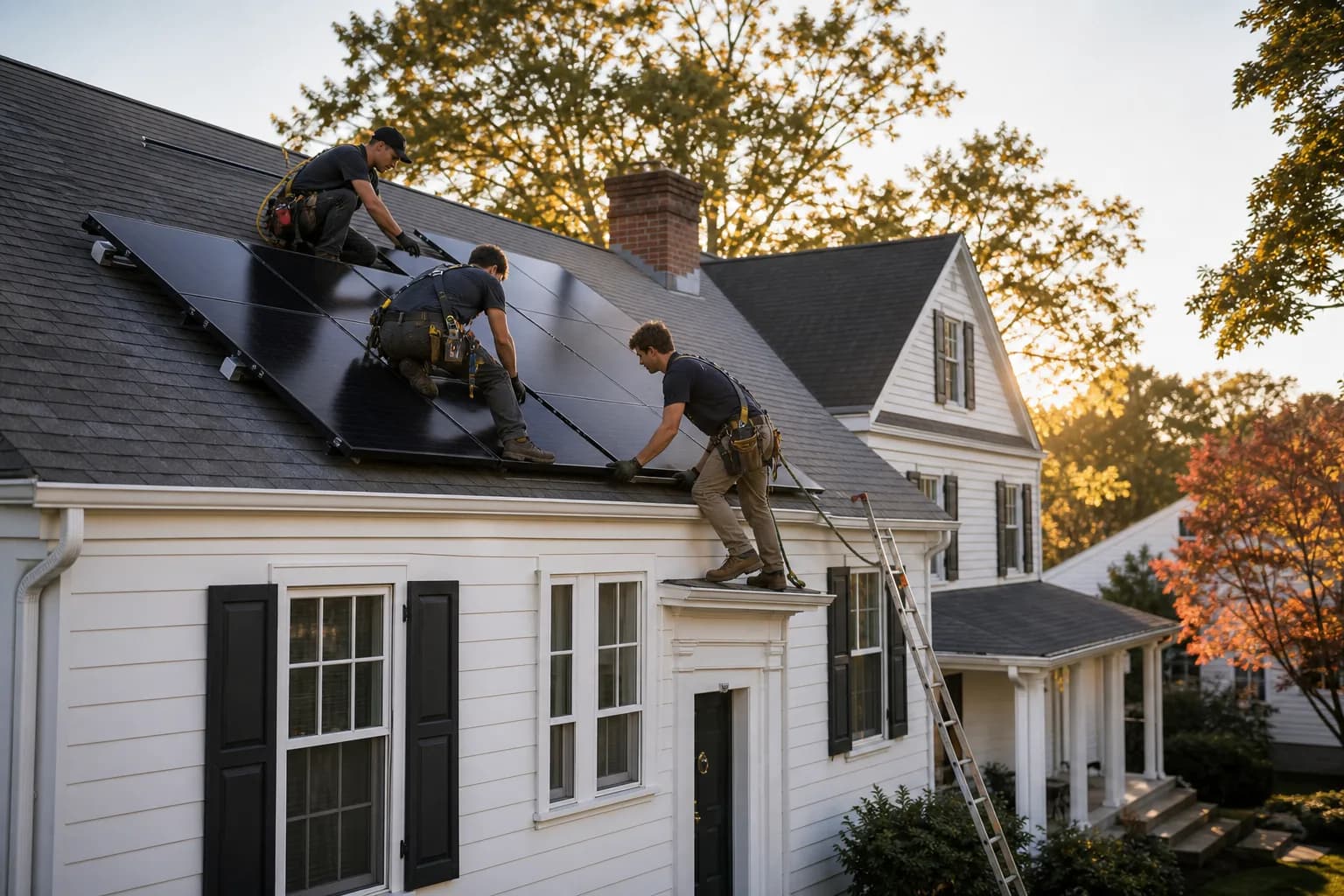
Yes, as a readiness note rather than a pitch: south-facing area, structural condition, and the cost logic of pairing reroof with solar now versus paying panel-off/panel-on later. It positions you as the planner and opens a second project lane.

Put this playbook to work on your next visit.

PORTREX gives residential service teams cross-sell prompts, tiered proposals, financing options, e-signature, and a customer portal — in one flow your reps can run at the kitchen table.

Related service flows

Turn this guide into a working service page.

Keep reading

Related guides from the blog.