Qualify the lot before you romance the plans
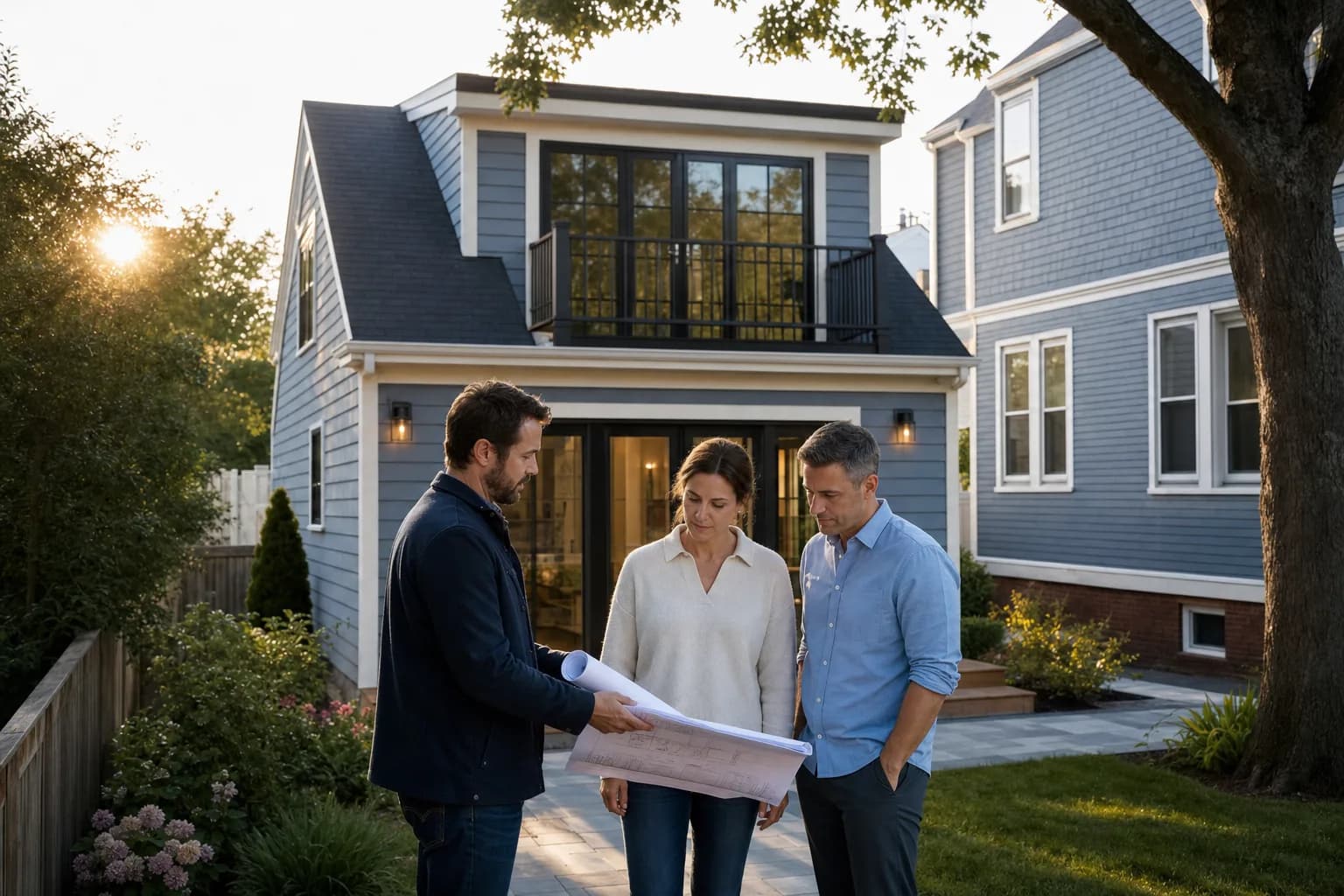
Most ADU deals die on facts available in the first call: lot size, zoning district, setbacks, existing square footage rules, alley or side access, and sewer capacity. Screen those upfront — with parcel data and local rules — and you stop driving to dead lots while building immense credibility with the homeowners you do visit.
Make the output tangible: 'Your R-2 lot allows a detached unit up to roughly 800 square feet behind the back plane of the house.' A concrete number turns daydreaming into planning.
Sell the income statement, not the cottage
Anchor every conversation on what the unit does: rental income (compare to local one-bedroom rents), a parent aging in place near family, or a returning graduate with a private entrance. Then show the bridge: 'At $1,850 market rent and a $2,100 financed payment, you're housing your mother for $250 a month — or cash-flowing within a few years of rent growth.'
Name your models
Open-ended 'we build anything' quoting forces homeowners to design before they buy, which stalls everyone. Productize: a studio conversion package, a one-bed detached, a two-bed family unit — each with a floor plan, finish level, an all-in budget range, and a build timeline. Custom is still available; it's just no longer the entry point.
- Garage conversion: lowest cost, fastest permits in most markets.
- Detached backyard: highest rent and privacy, full-site work.
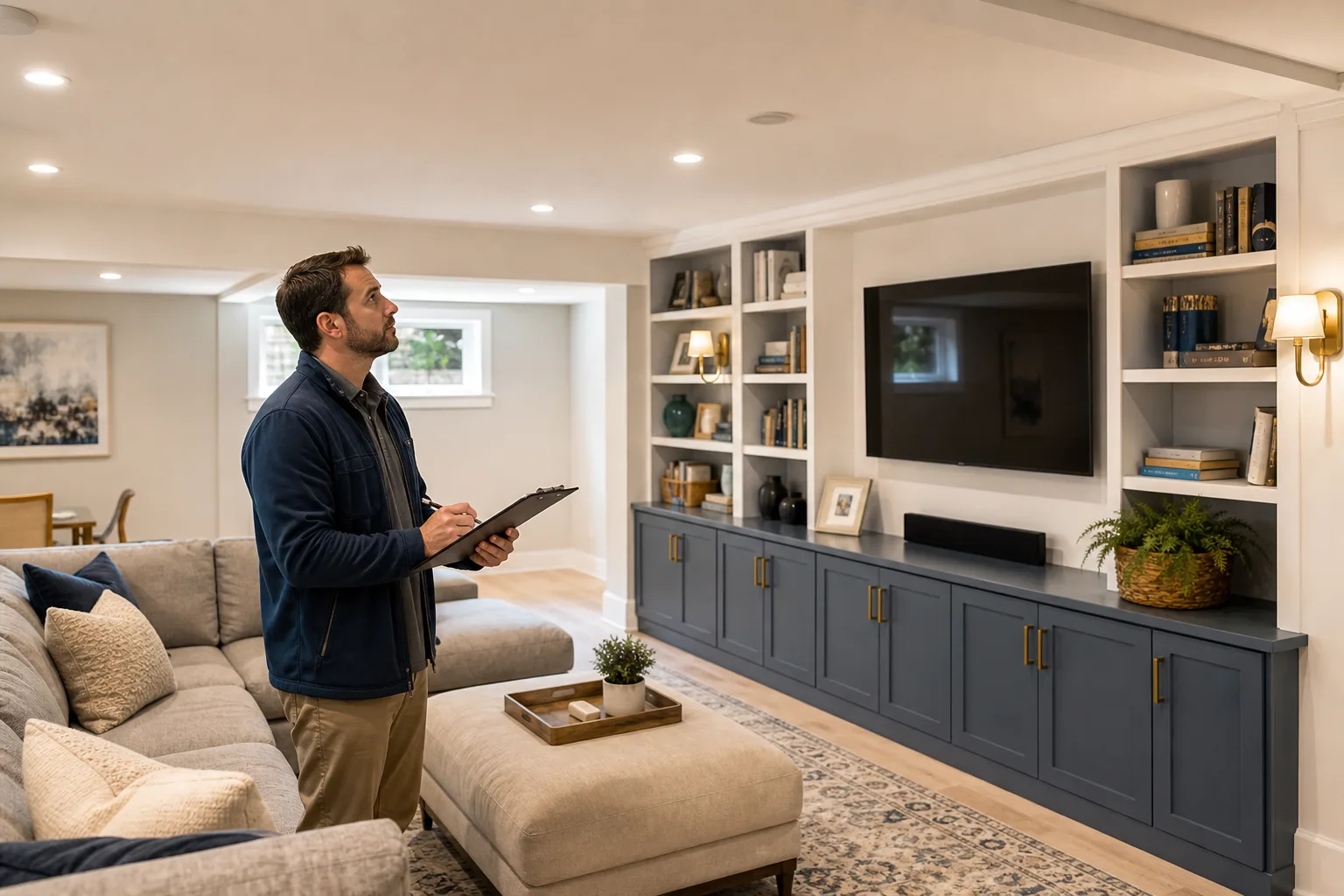
- Basement ADU: weather-independent build, egress and ceiling-height dependent.
- Above-garage: preserves yard, structural and stair dependencies.
Bundle the hidden systems into the first number
ADUs fail in the change-order phase: the 100-amp panel that can't carry a second dwelling, the comfort system nobody scoped, the water line that needs upsizing. Winners put those in the original proposal as visible line items — often with their electrician and HVAC partners' pricing attached. The all-in number is bigger, but it's real, and 'no surprises' is the strongest differentiator in this category.
This is exactly the kind of multi-trade bundle a platform like PORTREX is built to present: the ADU model, the panel upgrade, the heat-pump zoning, and the financing path on one homeowner-readable page.
Financing is the deal, not a footnote
Six-figure projects move on monthly math. Know the local menu — renovation loans, HELOCs, cash-out refis, and the state ADU programs several markets now offer — and present rent-offset monthly numbers in the first proposal. The homeowner who sees 'net carrying cost ≈ $310/month against a $200k asset' books the site visit.