Skip to content
Trade Growth Guides

How to Sell Battery Backup: Outage Math, Solar Pairing, and Honest Sizing

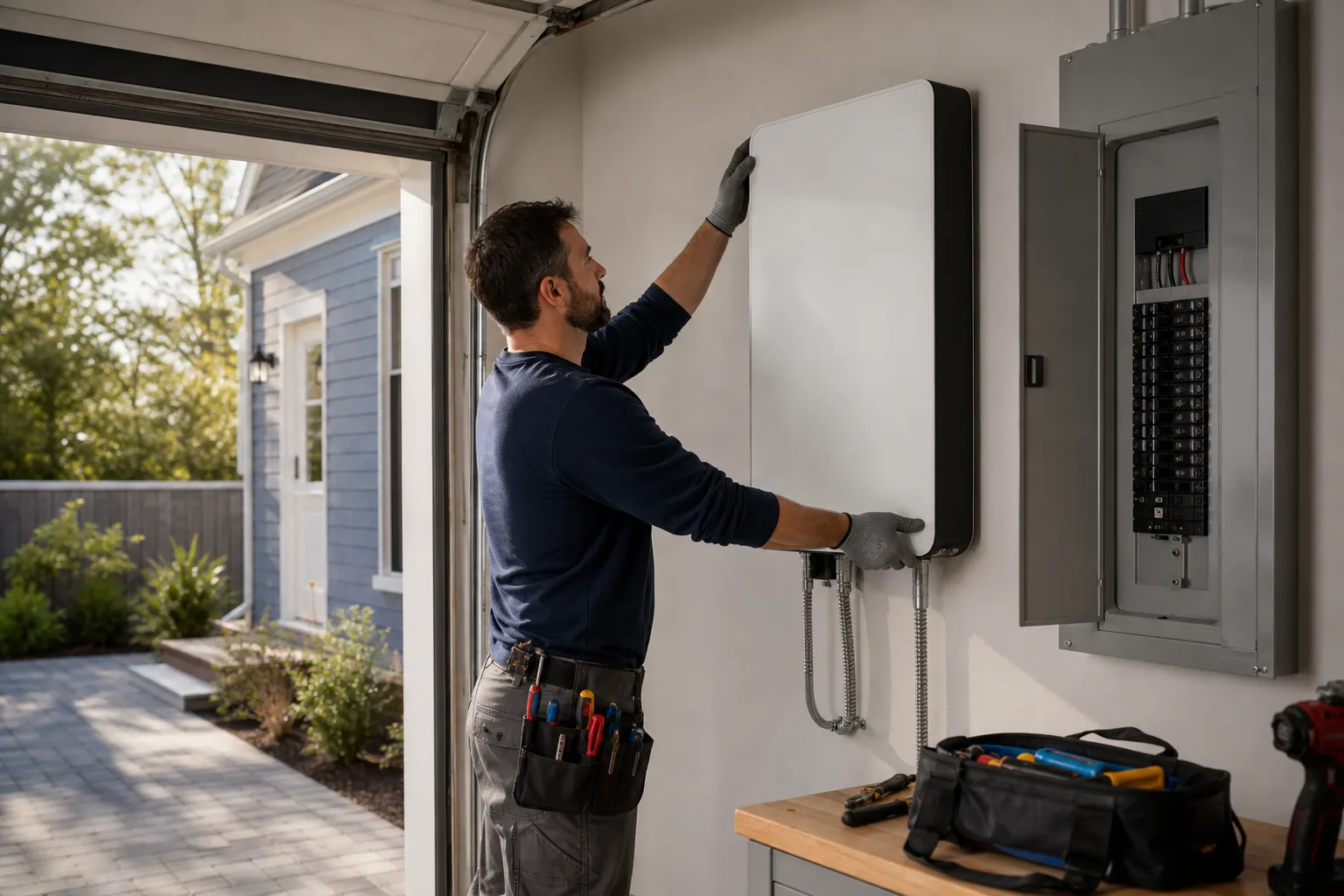
Battery backup sells on a priorities conversation: which circuits matter when the grid fails, for how long, and what is that certainty worth to this household? The strong process sizes storage to those named priorities (not to 'whole home' by default), compares honestly against a standby generator, pairs with solar where the economics support it, and uses time-of-use arbitrage and utility battery programs to turn a resilience purchase into one with a payback story.

Discovery: the outage interview

Ask about the last three outages: duration, season, what failed, what it cost (spoiled food, hotel nights, flooded basement from a dead sump, missed work). Then ask what must stay on. The answers convert directly into a backed-circuits list and hours-of-autonomy target — and the homeowner has just built their own justification.

The generator question, answered first

Standby generators are the incumbent. Present the comparison before the homeowner asks:

  • Battery: instant transfer, silent, no fuel or exercise cycles, daily TOU value, indoor-air clean — limited duration without solar.
  • Generator: long-duration as long as fuel flows — but noise, maintenance, fuel dependency, and zero value the 360 days nothing fails.
  • Hybrid truth: deep-winter, multi-day-outage homes sometimes deserve generator or battery-plus-generator; saying so when true wins referrals.

Make the battery earn money between outages

Where rate plans and programs allow, the same hardware does daily work: charge cheap or from solar, discharge at peak, and enroll in utility virtual-power-plant programs that pay annual incentives for event participation. Showing '$430/year in program credits plus bill arbitrage' transforms the proposal from insurance into infrastructure.

Quote it like an engineer

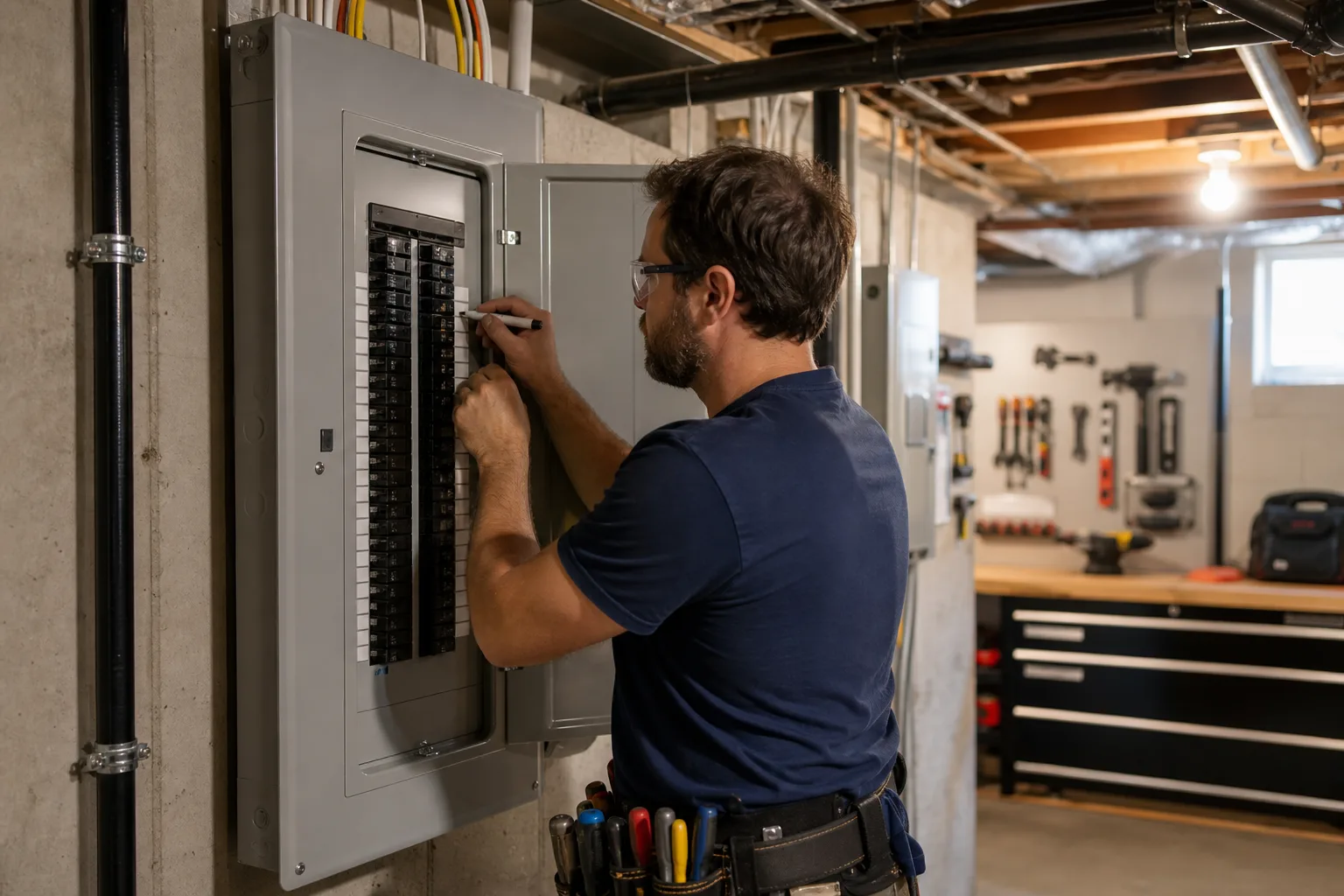
The proposal should show the backed-up panel schedule, expected autonomy at typical loads, recharge behavior with and without solar, and the install scope (panel work included — see the load-calculation playbook). Overselling 'whole home for days' is the category's biggest review-generator; under-promising autonomy and over-delivering is the durable play.

Frequently asked questions

What's the best entry point for battery conversations?

Existing solar customers and storm-prone neighborhoods after an outage event. Solar owners already understand kWh and often have inverter-compatible pathways; post-outage neighborhoods have fresh, quantified pain.

How many batteries does a typical home need?

For essentials-only backup (refrigeration, lighting, communications, a circulator or sump), one 10–14 kWh unit often suffices for a day. Whole-home or electric-heat backup typically means multiple units — which is exactly why priority-based sizing should lead the conversation.

Do batteries qualify for tax credits?

Standalone residential storage above a small capacity threshold has qualified for the federal residential clean-energy credit, and several states add programs on top. Present current eligibility with sources and a 'verify at filing' note rather than guaranteeing outcomes.

Put this playbook to work on your next visit.

PORTREX gives residential service teams cross-sell prompts, tiered proposals, financing options, e-signature, and a customer portal — in one flow your reps can run at the kitchen table.

Related service flows

Turn this guide into a working service page.

Keep reading

Related guides from the blog.