Skip to content
Trade Growth Guides

How to Sell Electrical Panel Upgrades: The Gateway Project for Electrification

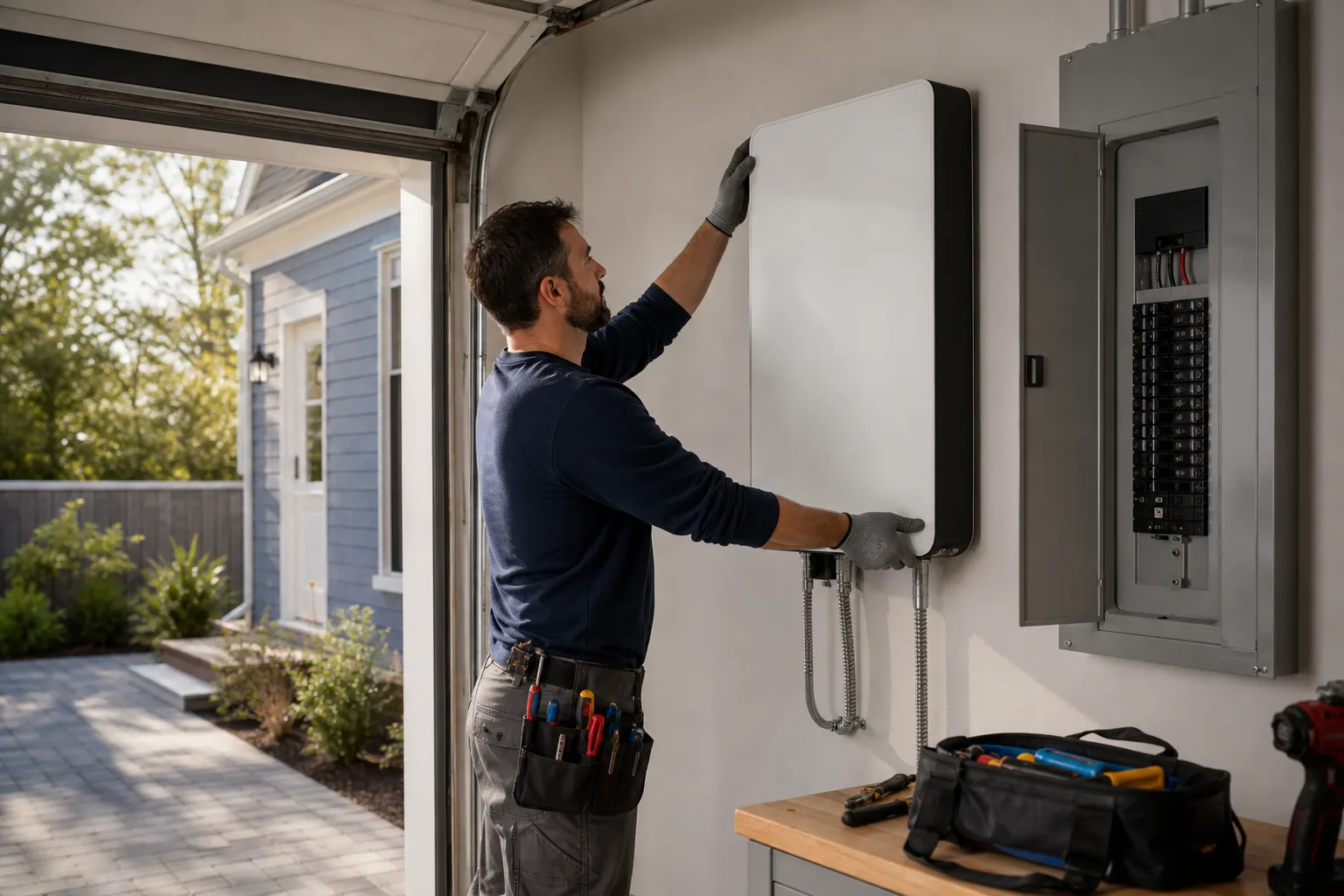
Panel upgrades sell as enablement, not as copper and breakers: the homeowner is buying the EV charger, heat pump, induction range, ADU, or battery that the old 100-amp service can't carry. The process that works is a documented load calculation, a photo-based safety review of the existing equipment, a future-loads conversation, and a proposal that prices the panel inside the project it unlocks — with available incentives applied.

The trigger conversation

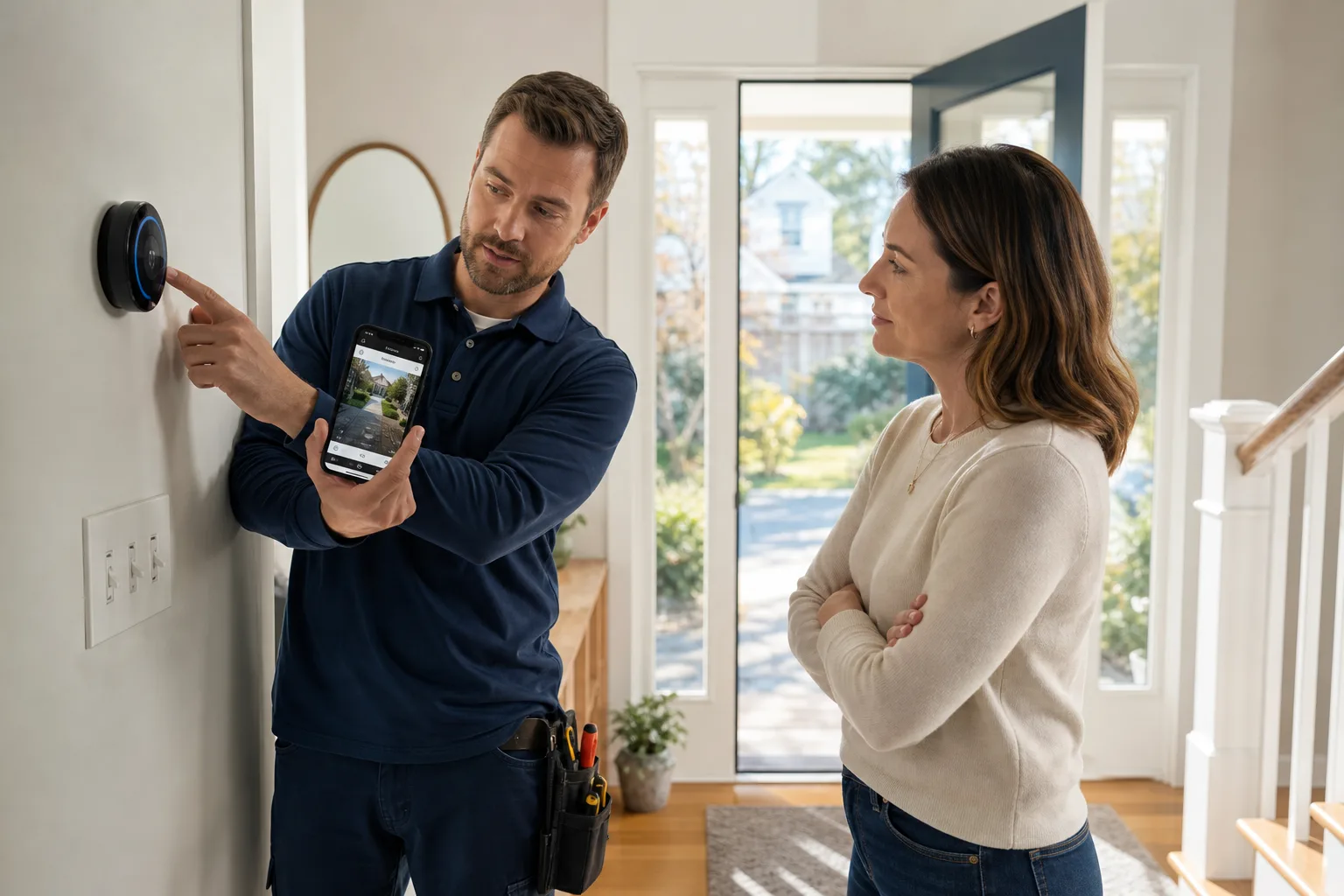
Nobody wakes up wanting a panel. They want the car charged overnight, the gas furnace gone, the backyard unit rented. Open discovery with a five-year electrification question: EV plans, kitchen plans, heating plans, addition plans. Every yes is load — and the panel conversation becomes arithmetic instead of persuasion.

Lead with the load calc

Run the NEC load calculation with today's loads and the planned additions, and hand the homeowner the result: 'Existing calculated load 87 amps on a 100-amp service; adding a 48-amp EV circuit and a 25-amp heat pump puts you at 160 — here are your options.' That sheet does the selling. It also protects you when a competitor offers to 'just squeeze in' the charger.

Safety findings: document, don't dramatize

Aging panels, double-tapped breakers, scorched buses, and certain known-hazard brands are legitimate replacement drivers — when shown, not asserted. Photograph findings, explain calmly what each means, and put the photos in the proposal. Fear-based selling without evidence is what gives electrical sales a bad name; evidence-based urgency is just good practice.

Price it inside the bundle, and bring the incentives

A standalone $3,200 panel quote competes with doing nothing. The same panel inside an EV-charger package or heat-pump project at '$24/month more' competes with nothing at all — it's simply how the project becomes possible. Layer applicable incentives (federal 25C panel provisions when paired with qualifying upgrades, plus state and utility programs) and show load-management alternatives honestly where a smart panel or load shed can defer the service upgrade.

  • EV package: charger + circuit + panel work + permit, one monthly figure.
  • Electrification-ready: panel + dedicated circuits roughed for future heat pump and induction.
  • ADU power package: service evaluation, subpanel or service upsize, separate metering options.
Frequently asked questions

When is a load-management device the right answer instead of an upgrade?

When the calculated load only exceeds the service during rare simultaneous peaks, a load controller or smart-panel circuit management can legitimately defer the upgrade. Present it as an engineering alternative with its trade-offs — recommending it when appropriate builds the trust that wins the eventual big job.

How do electricians get panel-upgrade leads?

The best leads are inside other trades' projects: EV charger requests, heat-pump installs, ADU builds, and kitchen remodels. Partnerships (or a shared platform) with HVAC companies and builders feed panel work continuously without buying a single click.

What does a panel upgrade typically cost a homeowner?

Most 200-amp upgrades land in the $2,000–$5,000 range depending on region, service-entrance condition, and utility coordination — before incentives. Quote ranges publicly with that 'verify on site' framing, and exact numbers only after the load calc and site photos.

Put this playbook to work on your next visit.

PORTREX gives residential service teams cross-sell prompts, tiered proposals, financing options, e-signature, and a customer portal — in one flow your reps can run at the kitchen table.

Related service flows

Turn this guide into a working service page.

Keep reading

Related guides from the blog.