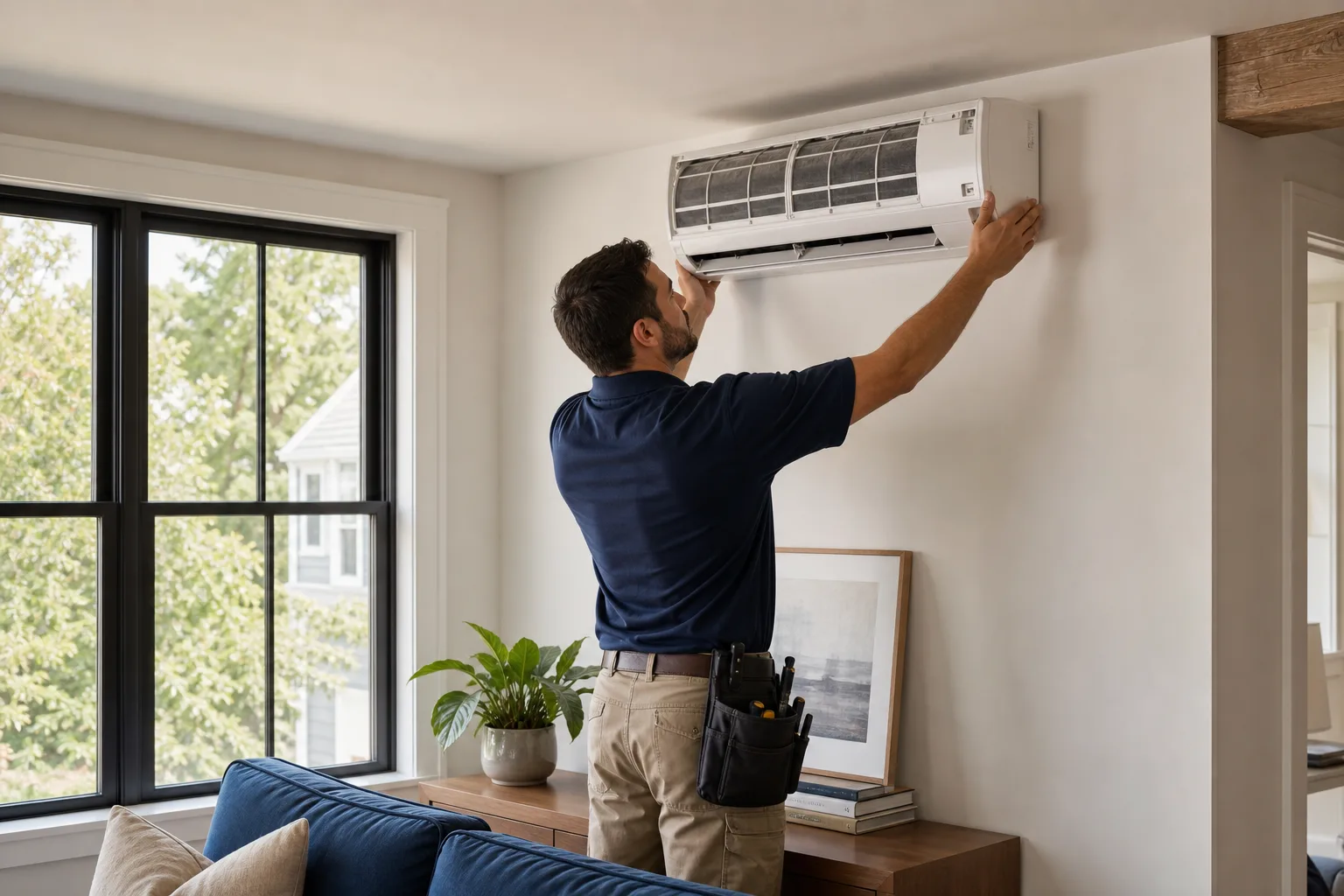
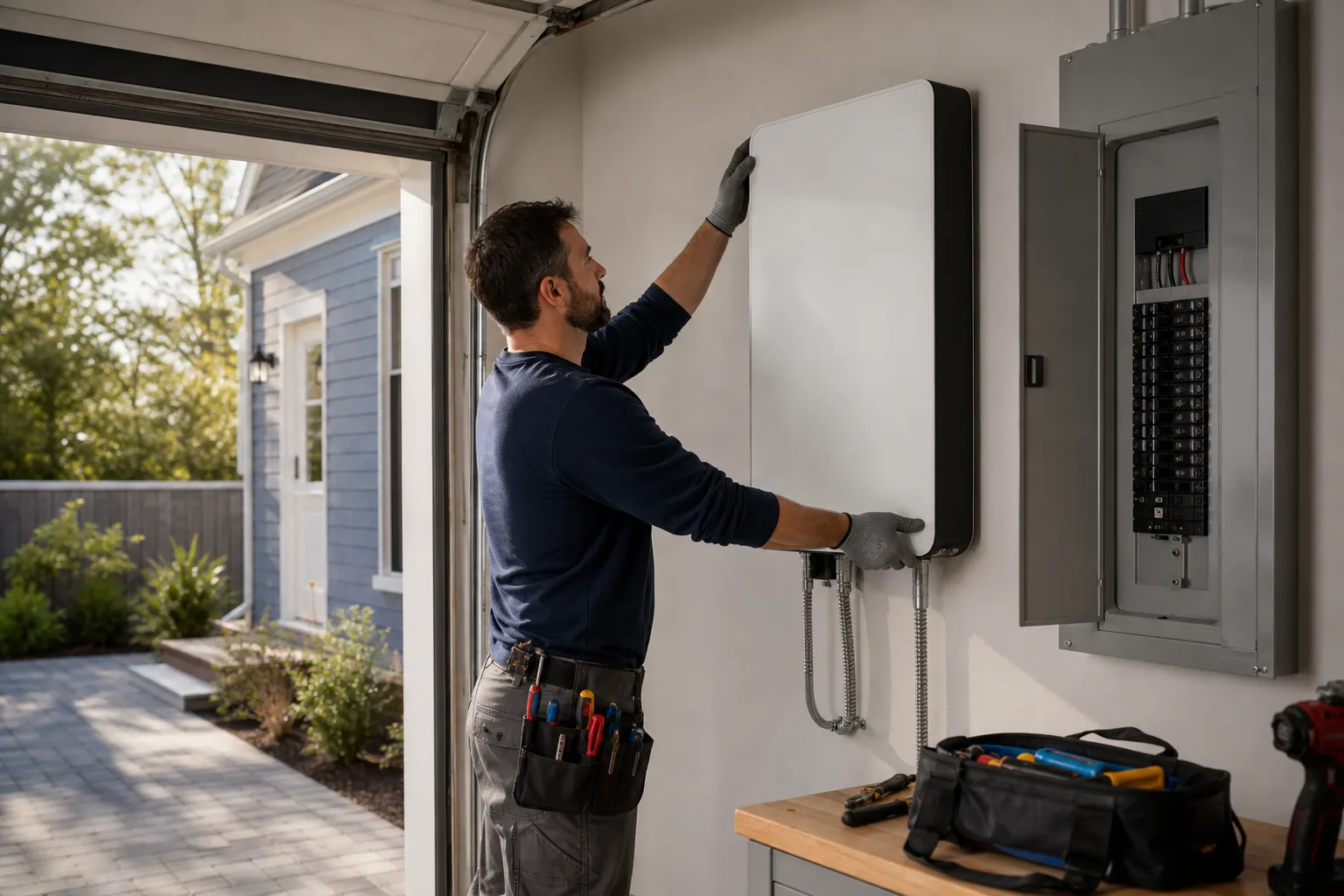
Kill the cold myth with numbers, not assurances
'Will it work in winter?' deserves a spec sheet, not a 'trust me.' Show the capacity table: cold-climate models hold full rated output at 5°F and keep producing meaningful heat into the negative teens. Pair it with a local proof point — an install from last February with the homeowner's first-winter bills — and the objection usually dies on the spot.
Savings math that survives scrutiny
Generic '50% savings!' claims create skeptics. Instead, price the customer's last twelve months of fuel: gallons of oil at today's price, therms of gas, kWh of resistance heat. Then model the same heat delivered at a COP of ~3. Oil and propane conversions routinely pencil to four-figure annual savings; efficient natural gas is honestly modest, and saying so out loud buys you credibility that closes the comfort-and-cooling story instead.
Make incentives do the price-gap work
The sticker gap between a heat pump and a furnace swap shrinks or vanishes once you stack what most reps leave on the table:
- Federal 25C credit: up to $2,000 per year for qualifying heat pumps.
- State programs and green-bank financing where available.
- Utility rebates — in strong programs, thousands per home for whole-home conversions.
- Panel-upgrade incentives when electrical work rides along.
The comparison proposal
Homeowners shopping a dead furnace are comparing you to a $7–9k like-for-like swap, whether you acknowledge it or not. Put that column in the proposal: furnace+AC replacement vs. cold-climate heat pump, each with installed price, incentives, monthly payment, ten-year energy cost, and summer cooling included. When the all-in monthly delta is $20–40 for whole-home heating and cooling on one system, the conversation changes sides.
A structured proposal tool keeps this honest and fast — the rep toggles incentives and financing live instead of promising to 'run numbers back at the office,' which is where these deals historically die.