Lead with measurements, not products
A static pressure reading outside spec, a temperature split photo, a CO measurement, a humidity log — numbers turn an upsell into a finding. 'Your static pressure is 0.9 on a system rated for 0.5, which is why the bedroom never cools; here are two ways to fix it' is a fundamentally different conversation than 'want to add duct sealing?'
The six upsell families that earn their place
Most successful HVAC companies standardize on a short menu and train evidence triggers for each:
- IAQ (media filters, UV, ERV/HRV): trigger on allergy complaints, dust photos, or humidity readings.
- Duct sealing & attic insulation: trigger on static pressure, room-to-room temperature deltas, attic photos.
- Smart thermostats & zoning: trigger on schedule complaints and hot/cold-room discovery answers.
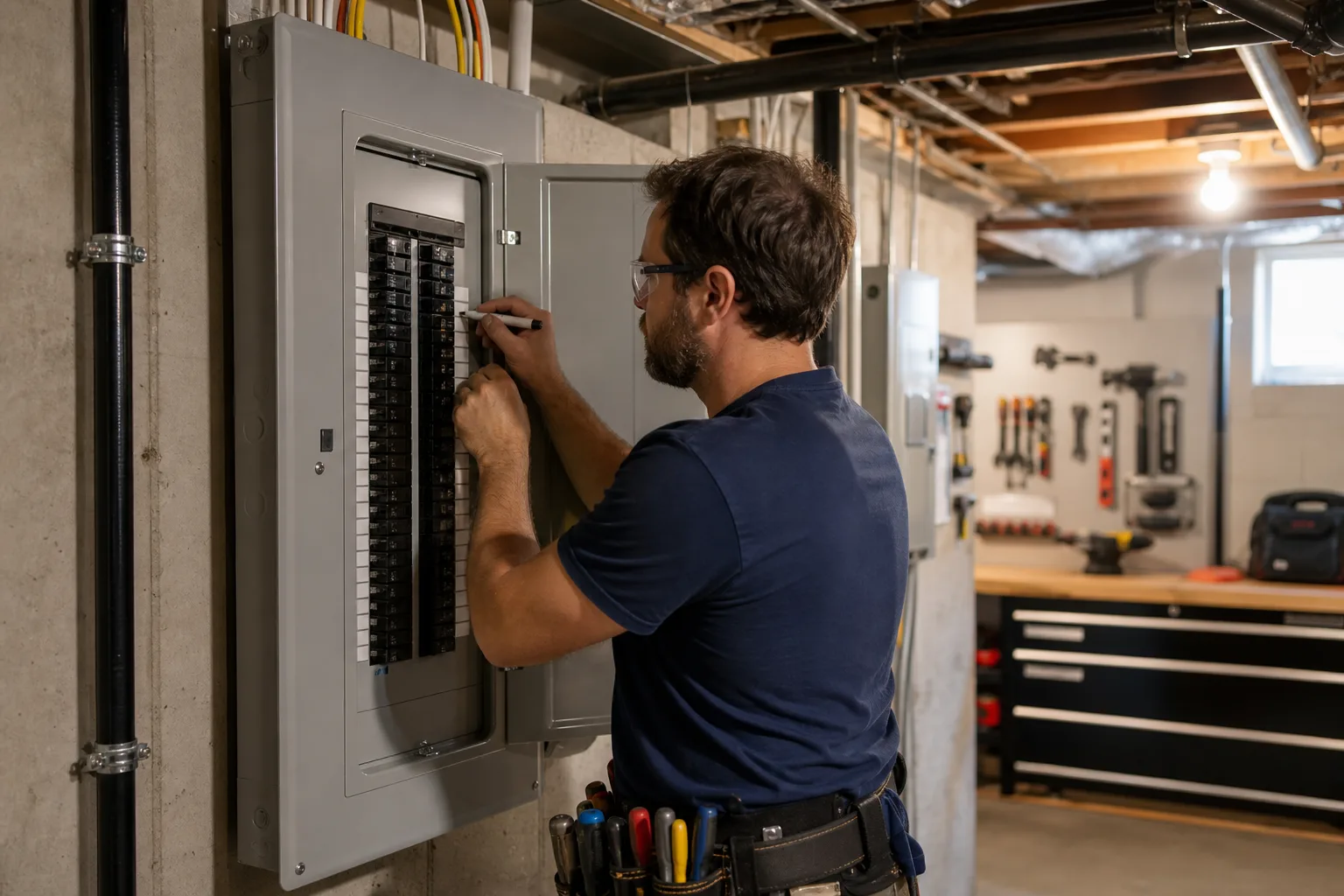
- Surge protection & panel work: trigger on panel age, aluminum branch wiring, or compressor history.
- Maintenance membership: offer on every single visit, priced as a no-brainer monthly.
- System upgrade to high-efficiency or cold-climate heat pump: present at replacement with utility-bill math.
Price the upsell as a monthly difference
On a financed replacement, an IAQ package or duct-sealing scope usually adds single-digit dollars per month. Train reps to translate every add-on into that delta. Homeowners who would reject '$1,800 more' routinely accept '$12 a month for the air the kids breathe.'
This is also why add-ons should live in the same proposal as the core system with live totals — separating them into a second quote later kills attach rates.
Maintenance plans: the upsell that compounds
A membership at $19–$29 per month looks like a small win, but it locks in two visits a year — each one a structured cross-sell opportunity — plus priority status that wins the eventual replacement without competitive bidding. Track membership attach rate as a primary KPI for every technician, not as an afterthought.