Audit reality first: the offer-rate gap
Before strategy, measure: on what share of visits was any add-on actually offered? Most owners guess 70% and discover 25%. Technicians skip offers when they're behind schedule, uncomfortable selling, or lack a fast way to show prices. Fixing presentation infrastructure (pairing prompts + one-tap proposal additions) usually beats any training course because it removes the friction that causes skipping.
The seven levers, ranked by typical impact
Pull them in this order if you're sequencing a rollout:
- Financing visible on every proposal over ~$2,500 (largest single-jump effect).
- Good-better-best on every replacement and project quote.
- Pairing maps + technician documentation habits (photos as cross-sell anchors).
- Bundle proposals that combine trades into one financed package.
- Membership/maintenance plans offered on every visit.
- Live proposal tooling so adding an option takes seconds in front of the customer.
- Scoreboard: per-rep offer rate, attach rate, average ticket, financed share.
Bundles: where the big jumps live
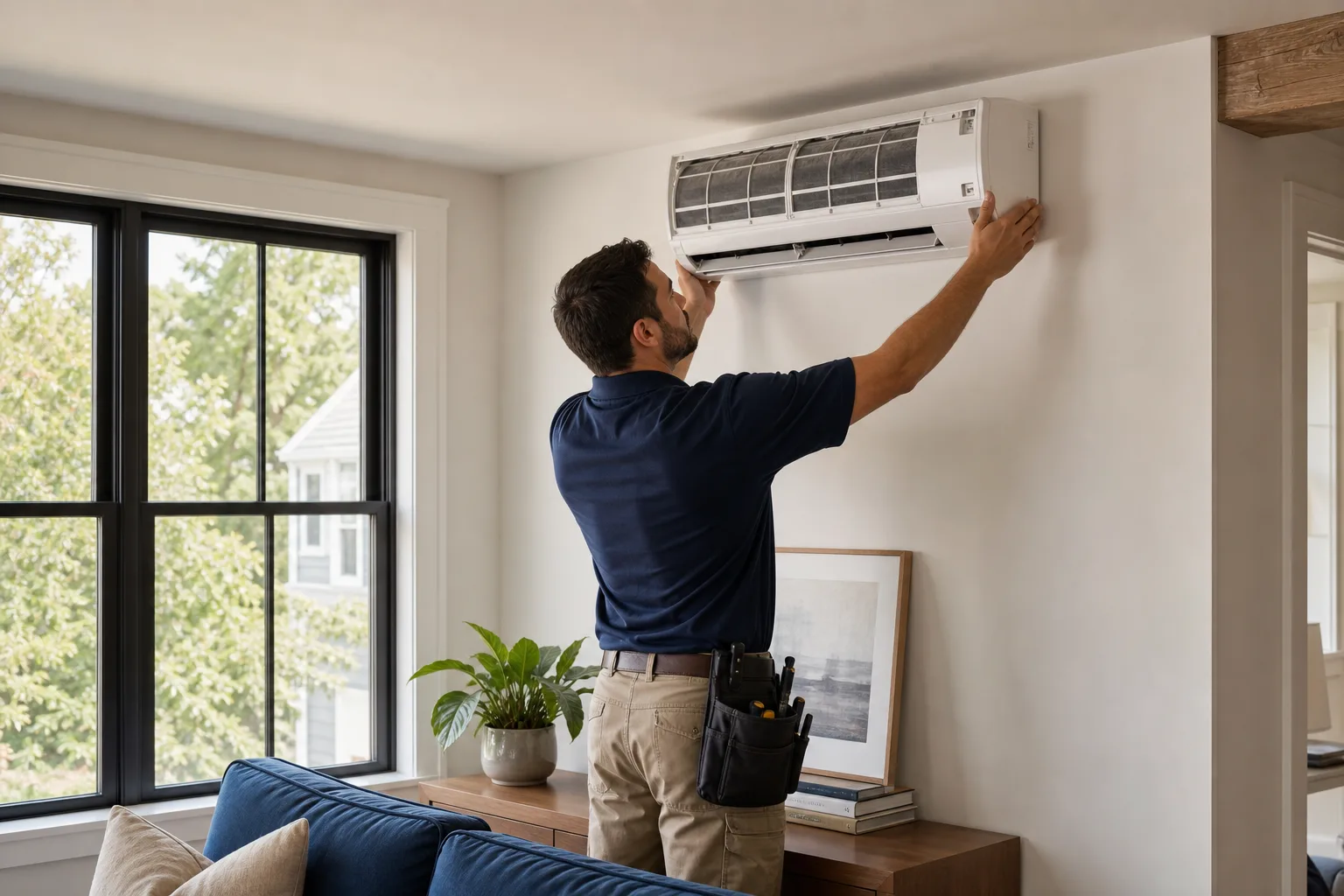
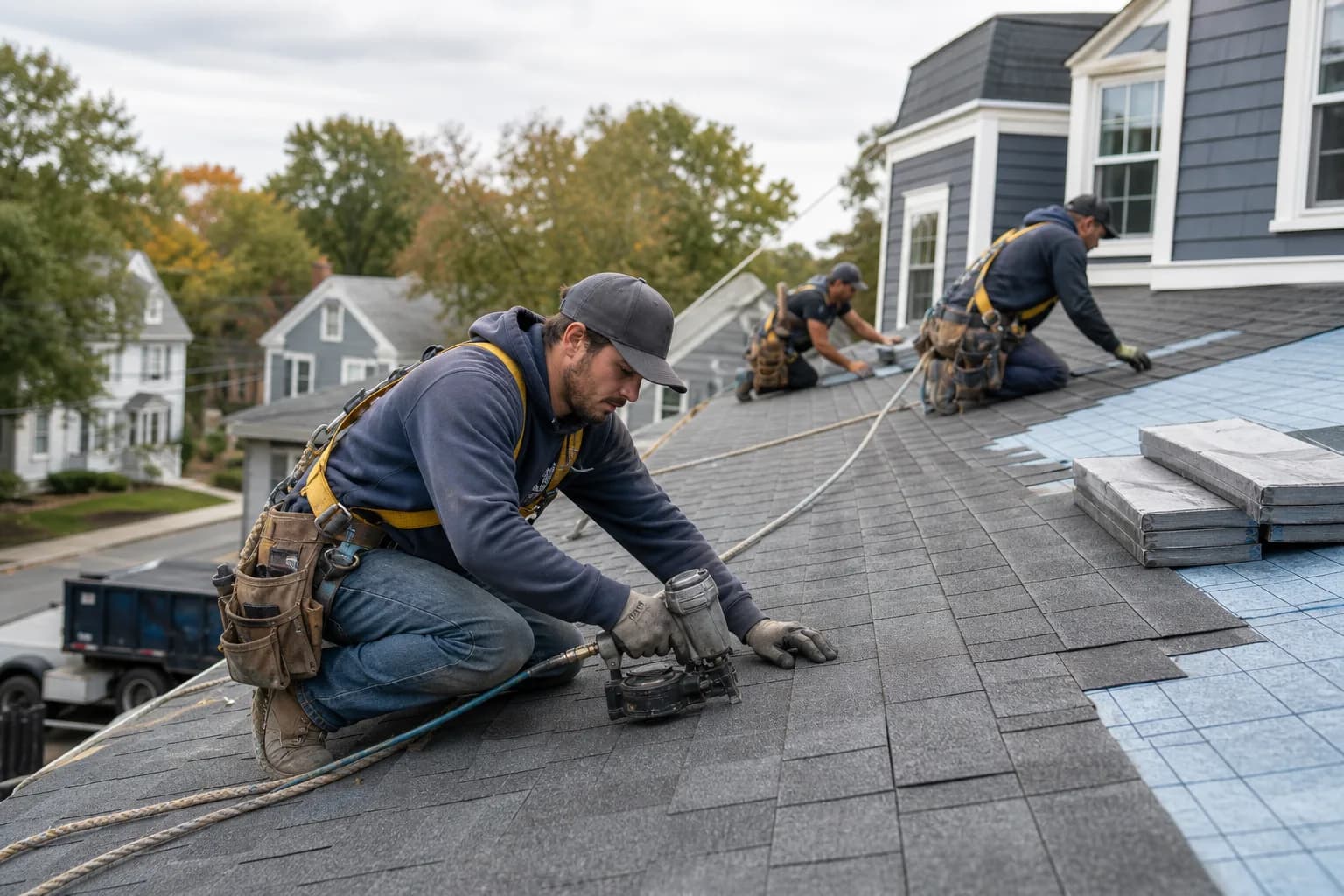
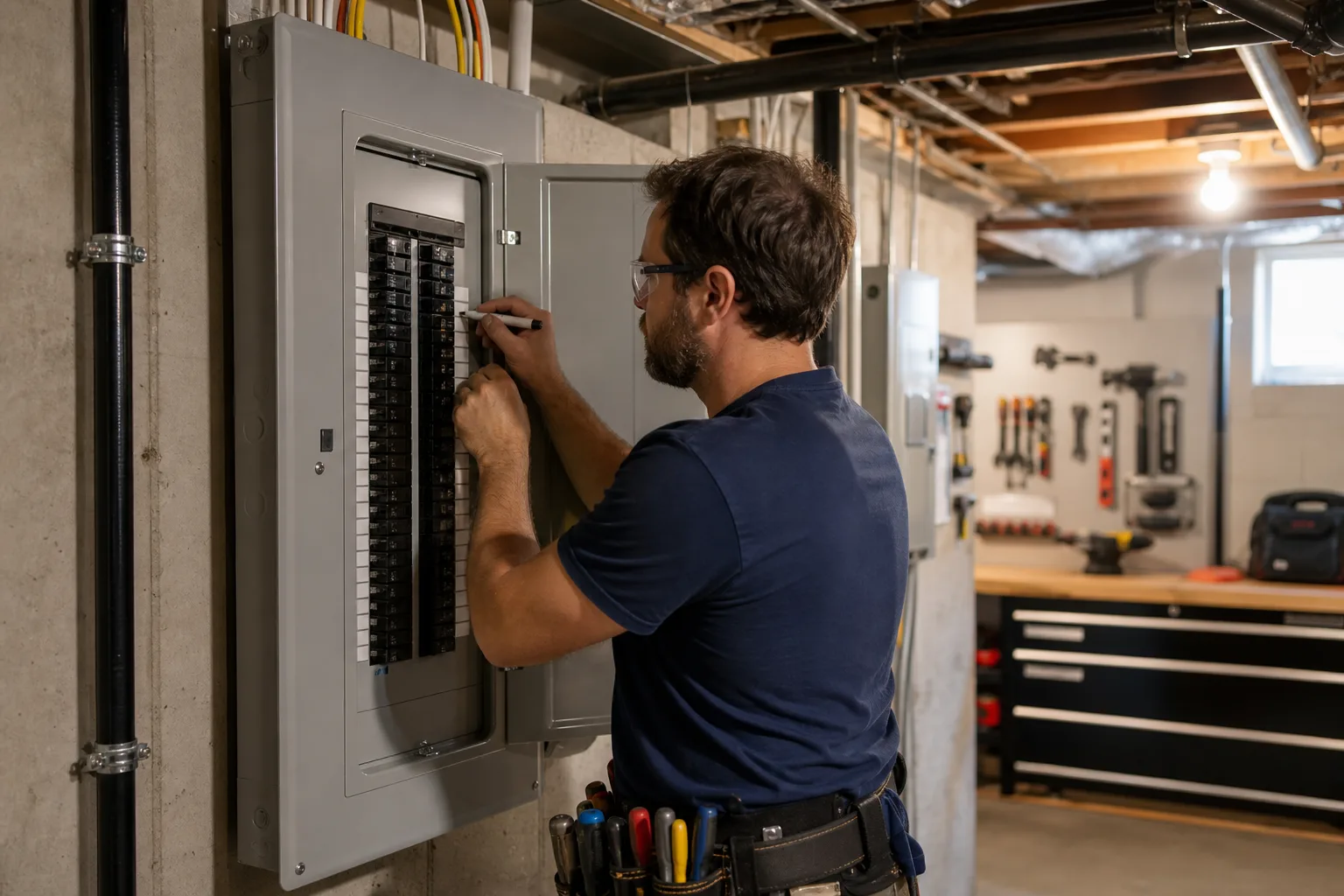
A heat pump alone is a ticket; a heat pump with panel work, attic sealing, and a smart thermostat is a project — often financed into a single payment that costs less monthly than the homeowner expected for the heat pump alone, thanks to incentives. Multi-trade bundling is where platforms matter: the rep needs the other trade's options, pricing, and imagery available inside one proposal, not a promise to 'have our electrician call you.'
Keep the trust flywheel spinning
The ceiling on ticket growth is trust: oversold homes don't refer. Anchor every offer to documented evidence, recommend the middle tier when it's right, and track review sentiment alongside ticket metrics. The goal is a bigger average ticket and a higher review score — shops that achieve both have effectively built a moat.