Why cross-selling works in home services
A homeowner who lets a technician into their house has already cleared the hardest hurdle in sales: trust. Industry benchmarks consistently show that selling to an existing customer is five to seven times cheaper than acquiring a new one, and in residential trades the gap is wider because the marginal cost of an extra conversation during an existing visit is close to zero.
The mistake most companies make is treating cross-selling as a closing technique instead of a diagnostic habit. Homeowners do not resent being told their panel is at capacity while planning a heat-pump install — they resent finding out after the install, when it costs more to fix.
Build pairing maps for every trade you sell
A pairing map is a short list of related projects your team should check for during each visit type. It turns cross-selling from improvisation into procedure, which is what makes it repeatable across technicians with different sales instincts.
- Heat pump visit → electrical panel capacity, attic insulation, smart thermostat, duct condition.
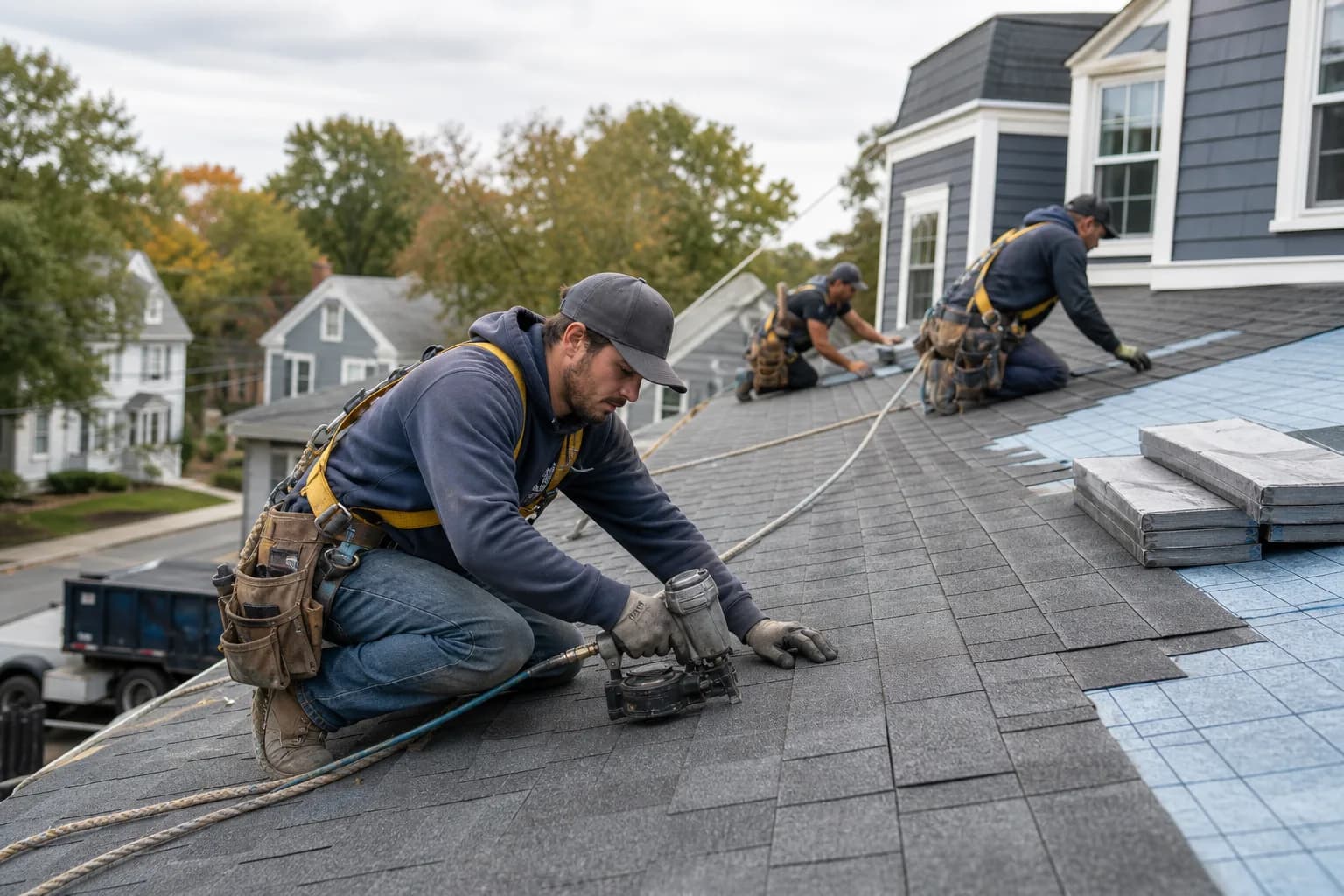
- Roof replacement → attic ventilation, solar readiness, gutter protection, skylight condition.
- ADU consultation → panel upgrade, heat-pump zoning, water service capacity, separate metering.
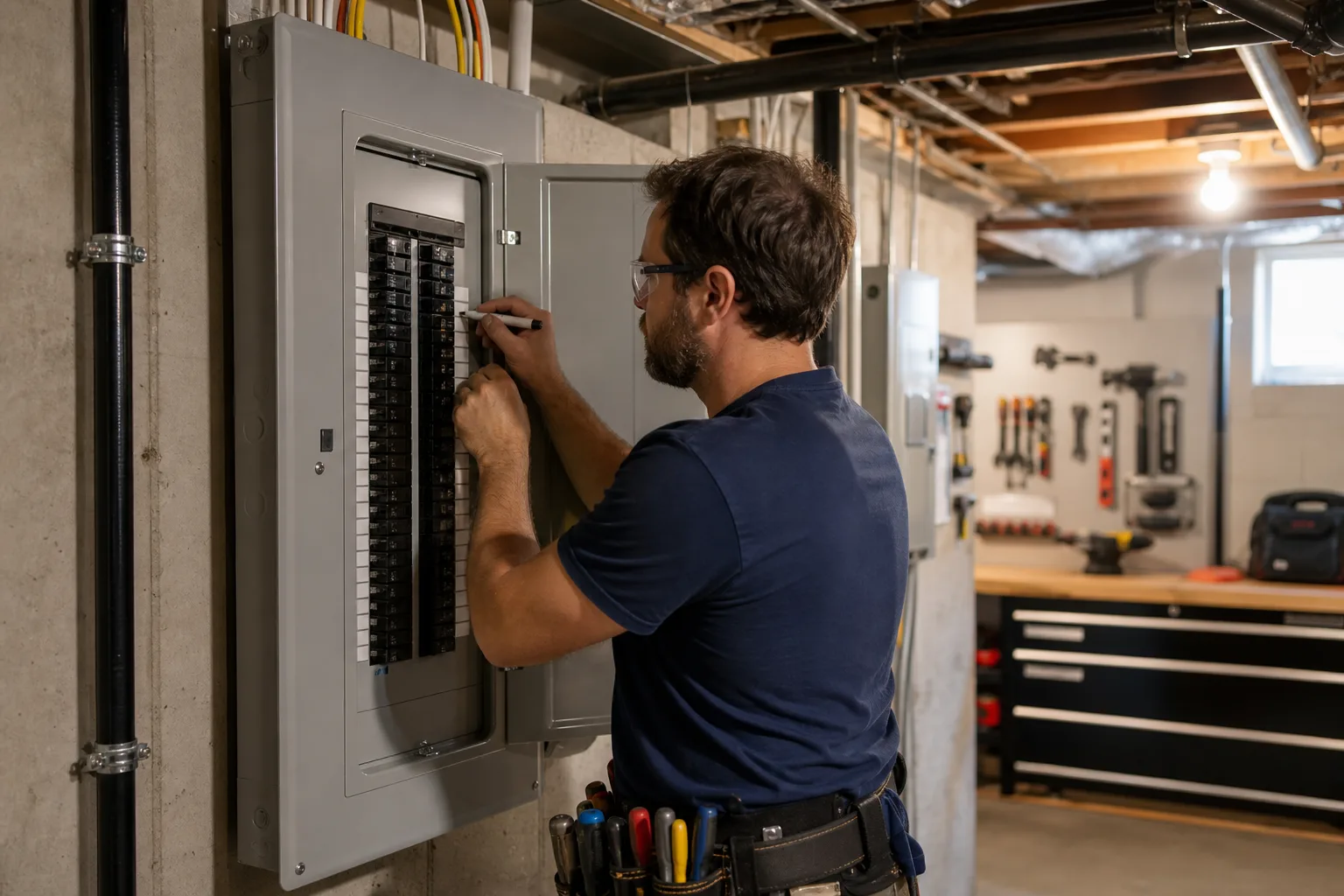
- Electrical service call → EV charger readiness, surge protection, battery backup, smart-home wiring.
- Water heater swap → whole-home filtration, leak detection, recirculation comfort upgrade.
Timing: offer during the walkthrough, not at the door
The strongest cross-sell happens while the technician is physically pointing at the evidence — a rusted panel, a 1970s attic, a roof deck that will carry solar. At that moment the offer reads as expertise. The same offer delivered at the kitchen table after the main quote reads as upselling.
Train the team to narrate findings during the walkthrough and to take photos. The photos become the proposal's proof section, and the homeowner has already seen the problem with their own eyes before the price appears.
Make the bundle easy to say yes to
Bundled projects fail when they are presented as one giant number. Present the core job, then each add-on with its own price and its own monthly-payment equivalent, so the homeowner can build the package themselves. A $14,000 heat pump plus a $3,200 panel upgrade is a hard swallow; 'about $52 more per month, and you never touch the panel again' is a decision a family can actually make.
This is where software earns its keep: a platform like PORTREX keeps the add-on catalog, pairing prompts, photos, financing options, and good-better-best proposal in one flow, so the technician never has to do mental math in front of the customer.
Measure it like a funnel
Track three numbers per visit type: offer rate (how often an add-on was actually presented), attach rate (how often it was accepted), and added ticket. Most teams discover their problem is the first number — technicians simply are not offering. An offer rate above 80% with an attach rate of 25–30% is a realistic first-quarter goal once pairing maps and proposal tooling are in place.