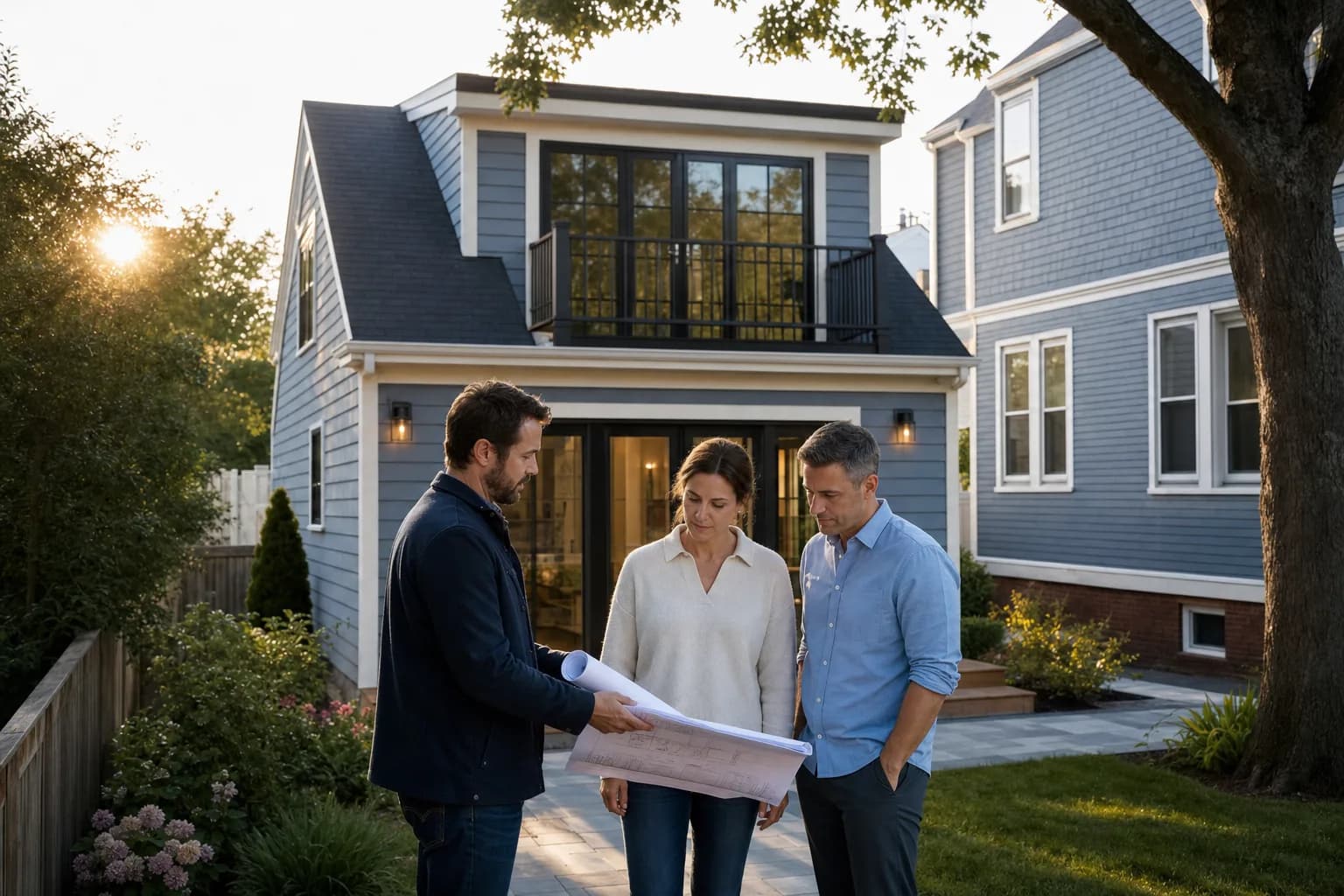
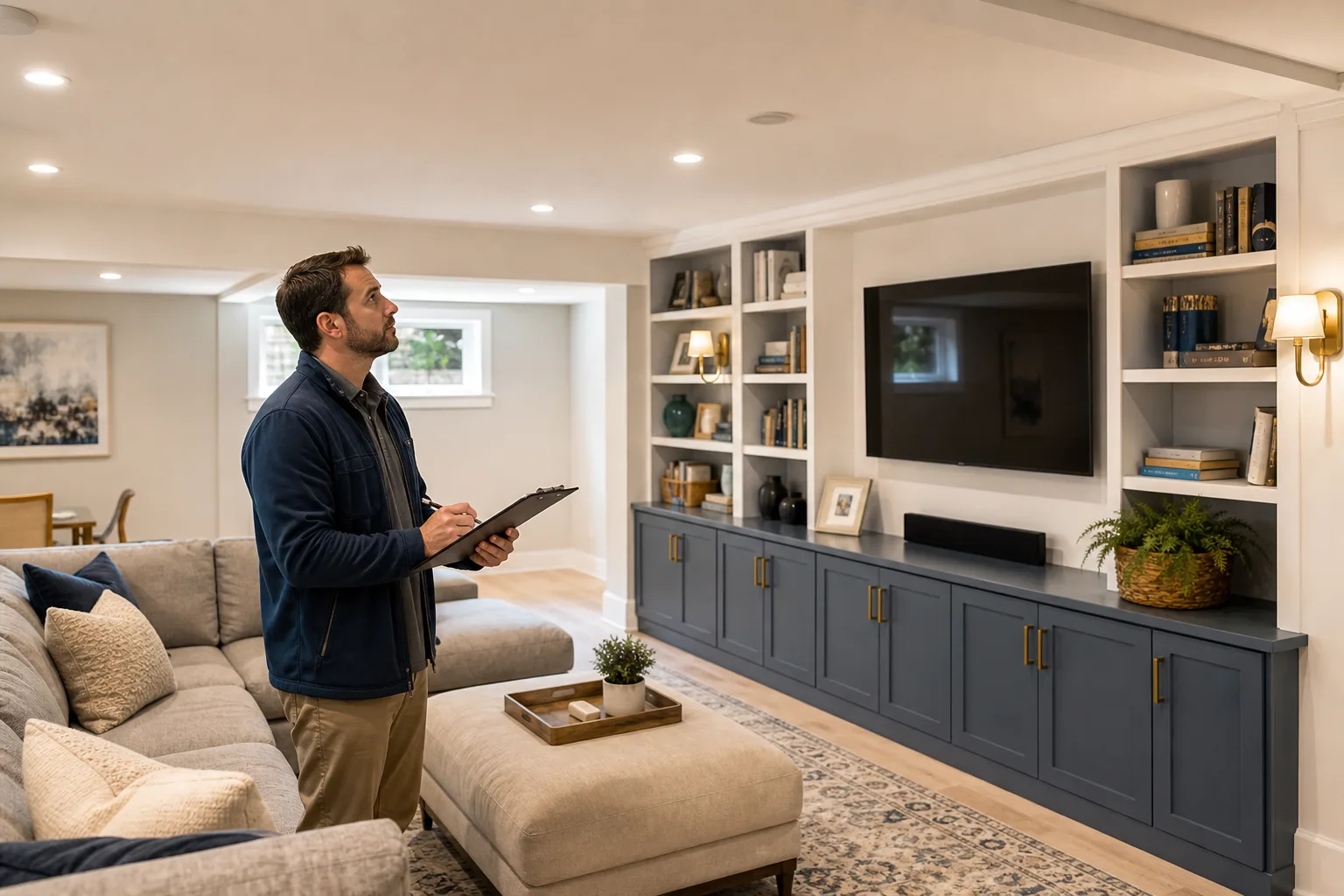
Set the table, literally
Sit at a corner angle to the decision-makers, not across the table like an adversary, with the screen visible to everyone. Confirm the time you agreed on ('we said about 30 minutes — still good?'). Small logistics communicate professionalism before a single number appears.
The arc: their words, your findings, the options
Open by replaying discovery: 'You told me the upstairs is five degrees hotter, the bills jumped last winter, and you're staying at least ten years.' Then walk the photo evidence in the order you found it. Only then present the three options — at this point the 'Better' tier is usually self-evidently the answer to their own stated problems.
Keep the presentation inside one tool. Flipping between a brochure, a calculator app, a paper price sheet, and a financing leaflet breaks the spell and invites 'just email it to me.'
Handling 'we need to think about it'
It is almost never about thinking; it is about an unspoken variable — money, spouse, or trust. Ask the isolating question: 'Totally fair. So I leave you the right materials — is it the investment, the timing, or something about the plan itself you want to weigh?' Then solve the named one: financing for money, a portal link both spouses can review for alignment, references and warranty docs for trust.
Close on the calendar, follow up in the portal
The closing question is logistical: 'Crews have Thursday and next Monday open — which works better?' If they genuinely need time, the worst move is leaving a paper quote. Send the interactive proposal to their customer portal before you leave the driveway, with options, photos, financing, and a signature button intact — then you can see opens and answer questions while the decision is still warm.